Designers looking to create a moody, striking visual hierarchy often struggle with legibility on complex backgrounds. Using dark text fonts with dramatic shadow impact solves this by creating physical depth without relying on harsh color contrasts. This specific layering technique separates typography from busy imagery and directs the reader's eye exactly where you want it.
Understanding the Core Concept
This style involves pairing deep charcoal or black typefaces with an offset, diffused drop shadow. It works best for dark mode user interfaces, editorial poster designs, or brands adopting an alternative visual identity. The heavy shadow gives flat digital text a three-dimensional, tactile presence. You can see practical applications of this by looking at current shadow effects in typography trends.
Adapting the Style to Your Project
Just like styling physical features, applying this typographic effect requires adjusting to your specific medium. Here is how to tailor the approach based on your unique design parameters.
Font Texture and Weight
A heavy, bold sans-serif handles wide shadow blurs much better than a delicate script font. Thin strokes will easily disappear into their own shadows, making the text look muddy and illegible. Stick to fonts with a thick baseline to support the visual weight.
Layout Shape and Container Size
Tight margins require sharper, closer shadows to prevent visual clutter from overlapping elements. If your layout features wide, open negative space, you can afford to use longer, more dramatic shadow trails that stretch across the canvas.
Maintenance and Readability
High-impact typography requires active maintenance to remain accessible to all users. Always test your contrast ratios across different screens. If the text blends into the shadow, increase the blur radius or adjust the background luminance to ensure the words remain sharp.
Event Type and Brand Context
The context of the project dictates the intensity of the effect. A horror game launch allows for extreme, heavy shadows that bleed off the letters, while a high-end streetwear brand might need a subtle, precise offset. For edgier projects, explore specific font styles built for a gothic aesthetic.
Technical Setup and Common Mistakes
The most frequent error is using pure black for both the text and the shadow layer. This creates a harsh, unnatural cutout effect that strains the eyes. Instead, use dark charcoal like #1A1A1A for the text and a slightly cooler dark tone for the shadow itself.
Another issue is setting the shadow opacity to 100%. Drop the shadow opacity to around 40% or 60% and increase the blur to mimic natural ambient occlusion. When configuring typography with a heavy shadow presence, changing the layer blending mode to Multiply often yields the most realistic results.
Implementation Checklist
- Select a bold, heavy typeface to support the physical weight of the shadow.
- Set your X and Y offset values based on your simulated light source direction.
- Lower the shadow opacity to 50% and increase the blur radius until the edge softens naturally.
- Change the blending mode to Multiply to allow background textures to show through the dark areas.
- Run a final contrast check to ensure legibility on your target devices.
 Dark Typography Trends with Shadow Effects
 Gothic Shadow Font Styles Trend
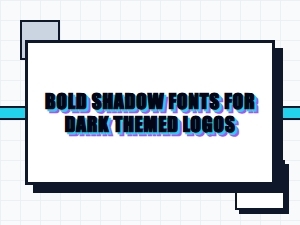 Bold Shadow Fonts for Dark Themed Logos
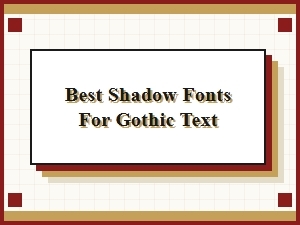 Best Shadow Fonts for Gothic Text
 Dark Atmosphere Fonts for Mysterious Projects
 Gothic Shadow Typography for Enigmatic Visuals