Dark font styles with dramatic shadows instantly inject tension into any design. If you want your typography to feel unsettling, you must manipulate light and depth to make the letters look like they are hiding in the dark. This approach works by forcing the viewer's eye to strain slightly, creating immediate psychological discomfort.
What makes these typography styles so unsettling?
These eerie typeface ideas rely on heavy drop shadows, long extrusions, or deep inner shading. They work best on thriller book covers, haunted house flyers, or horror game menus. Flat text feels safe, but deep shadows imply that something unseen is lurking just behind the letters. If you are choosing the right shadow fonts for horror titles, prioritize high contrast between the text face and the cast shadow.
How to adjust shadows for your specific project
Every design has unique constraints, much like personal styling. You must adapt your dark font styles with dramatic shadows based on four key factors. First, consider the font texture. Distressed, grunge letterforms will cast jagged, unpredictable shadows that look naturally creepy, while smooth vectors need manual noise added to avoid looking sterile.
Second, look at the layout shape. Tall, condensed fonts cast long vertical shadows, mimicking a looming figure in a narrow alleyway. Third, evaluate your maintenance level for readability. Deep shadows can easily swallow thin strokes, so you might need to increase the letter spacing or thicken the font weight so the text remains legible.
Finally, match the event type. A corporate Halloween email requires subtle, moody shading, whereas an extreme metal album cover demands aggressive, pitch-black shadows. You can explore more mysterious lettering techniques to match these different environments and audience expectations.
Common mistakes and how to fix them in your software
The most frequent error is using pure black shadows on a dark background. This flattens the design and makes the text completely unreadable. Instead, use a deep crimson, dark violet, or midnight blue for the shadow layer to create a sinister, subtle glow.
Another issue is inconsistent lighting. If your background image has light coming from the top left, your typography shadows must follow the exact same angle. To fix this at home in Photoshop or Illustrator, group your text layers and apply a single, global drop shadow effect rather than styling each letter individually. Learning how to manipulate darker typographic styles takes practice, but consistent lighting solves half the problem.
Adjust the blur radius carefully based on the mood. A zero-blur shadow looks like a harsh sticker, while a high-blur shadow creates a foggy, ghostly effect that fades into the background.
Pre-publishing checklist for eerie typography
Before exporting your final design, run through these quick checks to ensure the horror aesthetic lands correctly.
- Verify that the shadow angle matches the main background lighting.
- Check readability from a distance to ensure shadows are not consuming the letterforms.
- Test the contrast ratio, especially if the text sits over a busy, dark image.
- Add a subtle noise filter to the shadow layer to blend it naturally with textured backgrounds.
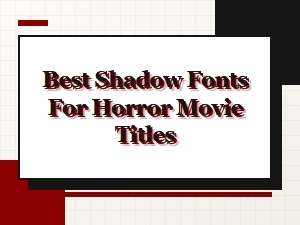 Best Shadow Fonts for Horror Movie Titles
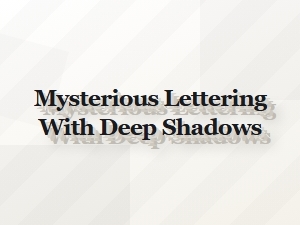 Mysterious Lettering with Deep Shadows
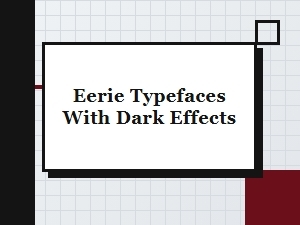 Eerie Typefaces with Dark Effects
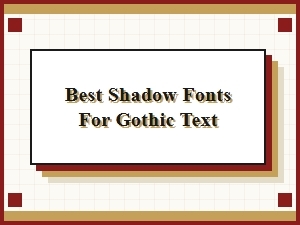 Best Shadow Fonts for Gothic Text
 Dark Atmosphere Fonts for Mysterious Projects
 Gothic Shadow Typography for Enigmatic Visuals